Uncategorized
From Research to Sovereignty in the Digital Public Sphere – Insights from the TWON Project // Final Event in Brussels
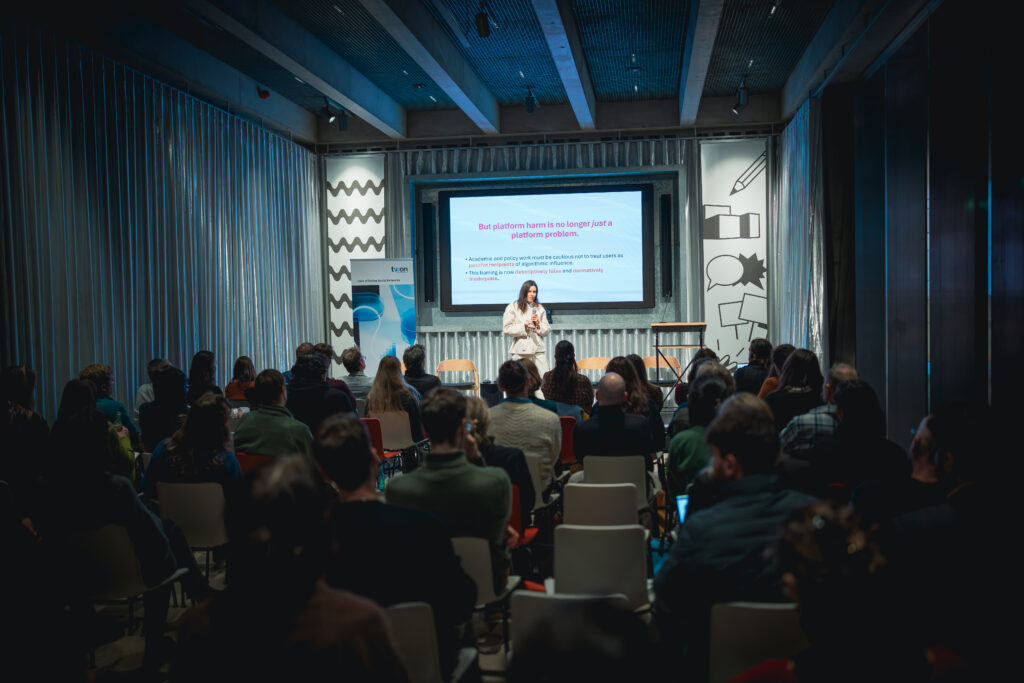
On 17 March 2026, we held our final TWON evening event in Brussels, bringing together policymakers, researchers, civil society representatives, and practitioners to discuss how Europe can strengthen digital sovereignty in the digital public sphere.
What does digital sovereignty mean in practice when a handful of global platforms structure Europe’s public sphere? How can the European Union ensure that online social networks operate in line with democratic values, fundamental rights, and the protection of minors? And how can research support policymakers in shaping and enforcing a European model of platform governance? These questions framed the final TWON event in Brussels and reflected the growing urgency of addressing geopolitical tensions, systemic disinformation, and the societal impact of platforms such as TikTok.
During the evening, we presented the EU-funded research project “TWON – Twin of Online Social Networks” and discussed its results and implications. TWON examined how the design of online platforms influences the quality of online democratic discourse. At its core, the interdisciplinary team developed an innovative “digital twin” approach: instead of experimenting on real users, simulations model how different platform architectures and ranking algorithms influence the quality of online debate and exposure to harmful content.
By translating these findings into policy recommendations and discussing them in participatory Citizen Labs across Europe, TWON contributed to evidence-based policymaking and digital citizenship. The consortium brought together leading European research institutions, including the University of Amsterdam, Karlsruhe Institute of Technology (KIT), University of Belgrade, University of Trier, FZI Forschungszentrum Informatik, Jožef Stefan Institute, and the Robert Koch Institute (RKI).
We were honoured to welcome Katarina Barley, Vice-President of the European Parliament, and Raegan MacDonald (Aspiration Tech) as keynote speakers and panelists. Katarina Barley reflected on the importance of existing regulatory frameworks such as the Digital Services Act (DSA), while emphasising the continued need for research initiatives like TWON to support their implementation. Raegan MacDonald highlighted the importance of connecting governance debates with perspectives from civil society and the tech policy community.
The event focused in particular on how Europe can strengthen its capacity to research, regulate, and strategically shape online platforms. This included discussions on establishing effective research infrastructures for platform data access and data donation, reinforcing European digital sovereignty over communication infrastructures, and identifying windows of opportunity in the evolving global digital policy debate.
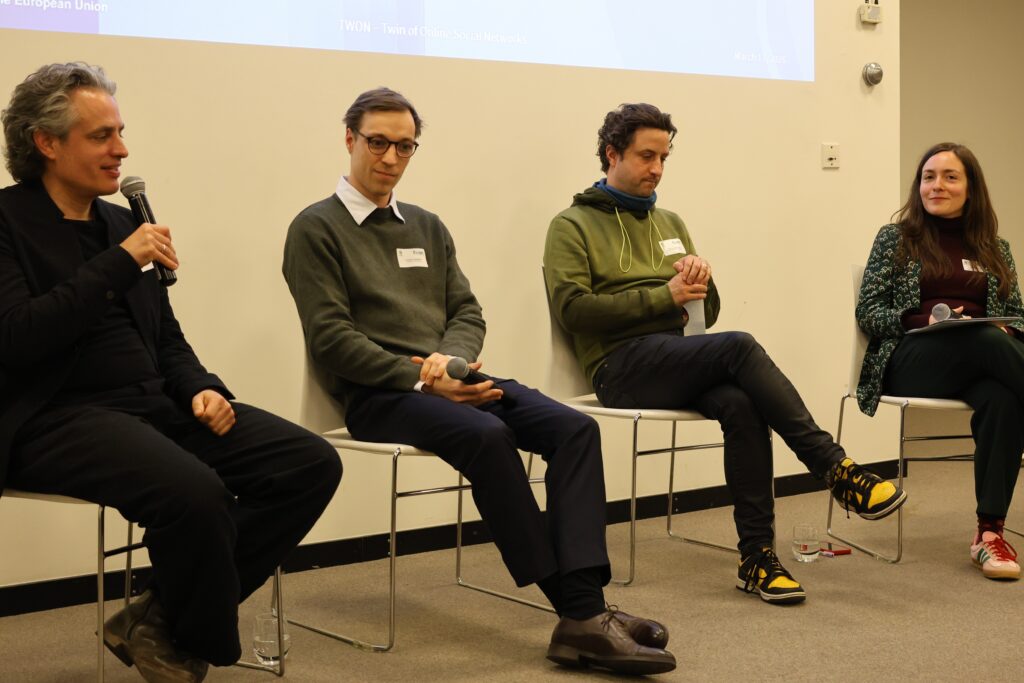
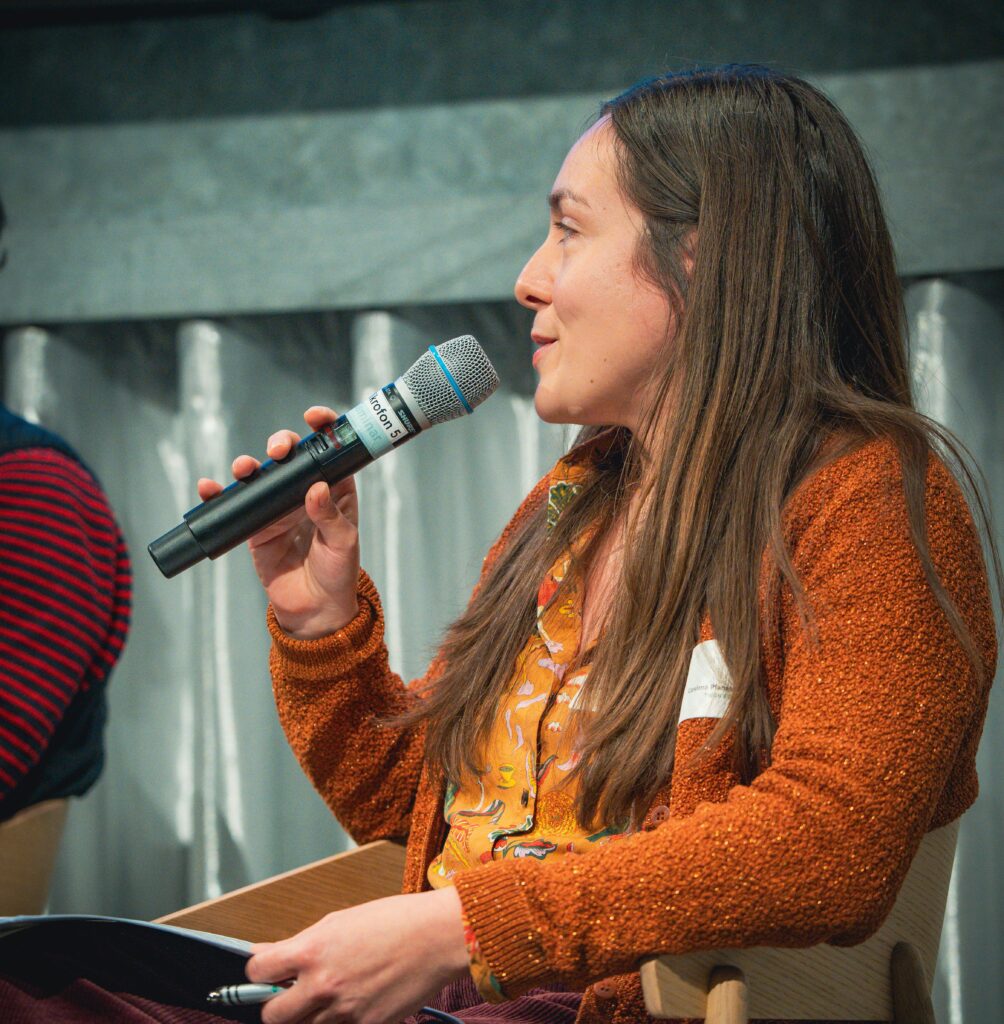
In a joint panel moderated by Cosima Pfannschmidt (FZI), Achim Rettinger (University of Trier), Michael Mäs (KIT), and François t’Serstevens (University of Amsterdam) discussing TWON’s core approach, key findings, and policy recommendations. The project demonstrated how simulation-based analyses can support policymakers in understanding the societal effects of platform design
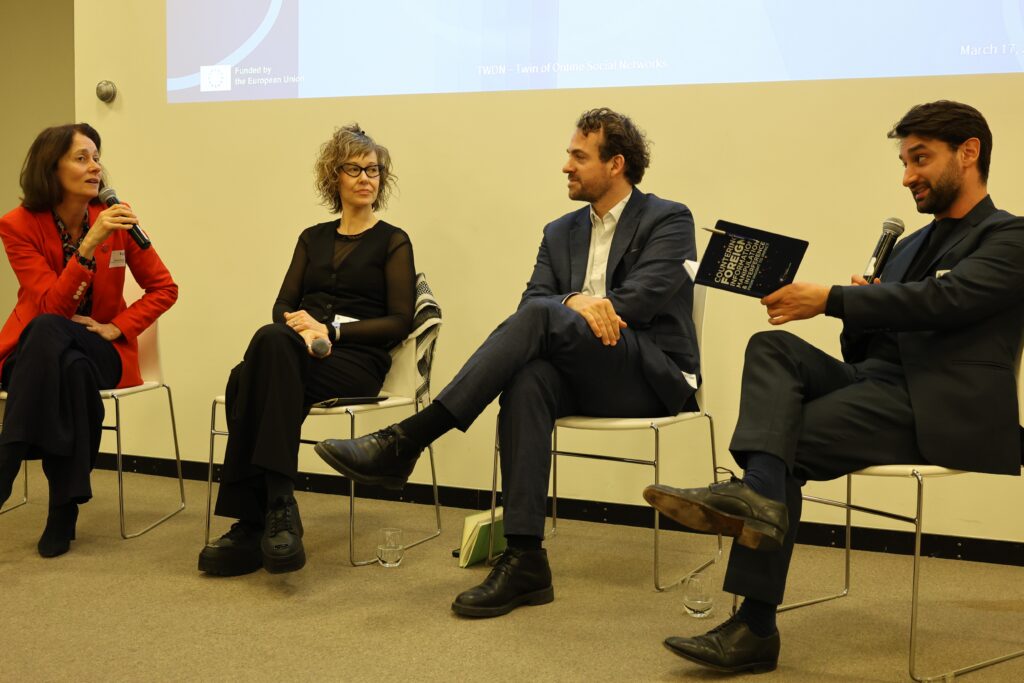
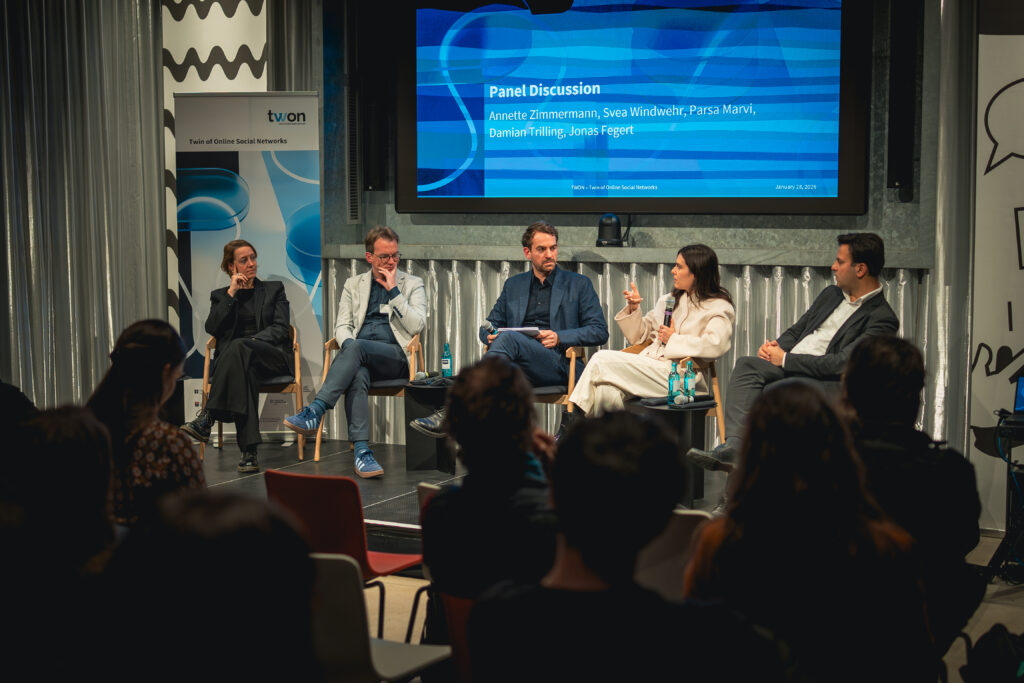
Moderated by Benjamin Fischer (CeMAS), the panel with Dr. Jonas Fegert (FZI), Katarina Barley and Raegan MacDonald explored how research and policy can jointly shape Europe’s digital future. Participants emphasised the importance of effectively enforcing existing regulation on very large online platforms, developing democratic European platform alternatives, designing digital tools that are engaging without fostering addictive dynamics, and strengthening transparency through improved access to platform data.
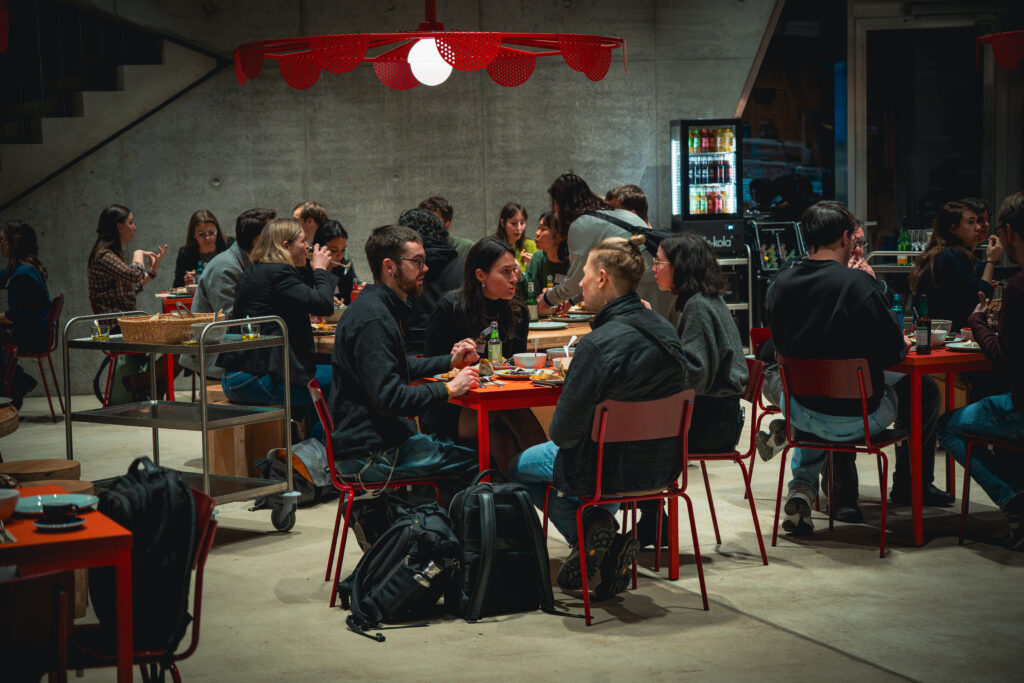
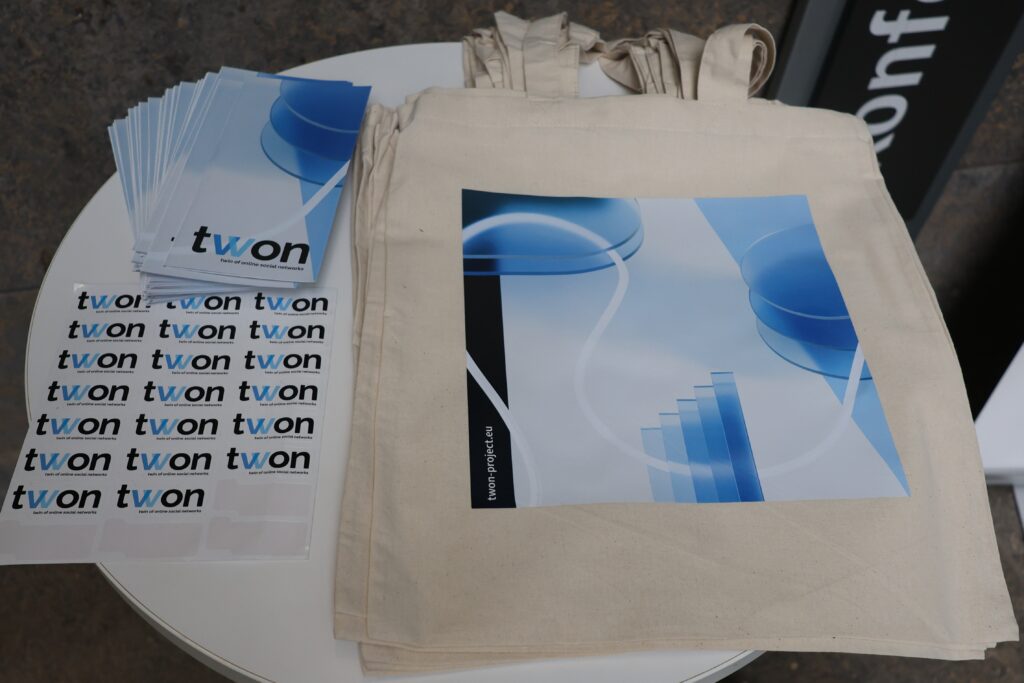
Bringing together policymakers, regulators, researchers, journalists, and civil society practitioners, the event created an important space to connect research insights with ongoing legislative and enforcement debates in Brussels. Before and after the stage programme, participants explored interactive project demonstrators and engaged in informal exchanges with project partners from across Europe.
We thank all speakers and participants for contributing to an insightful and productive discussion.
TWON Citizen Lab #4 in Brussels: On Overcoming Polarization
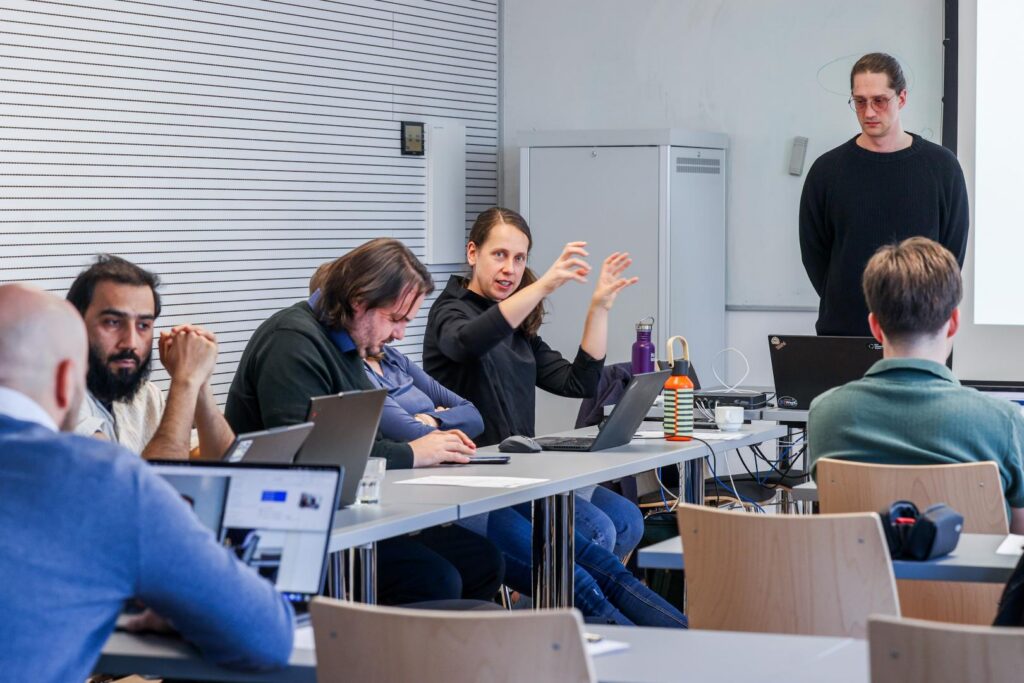
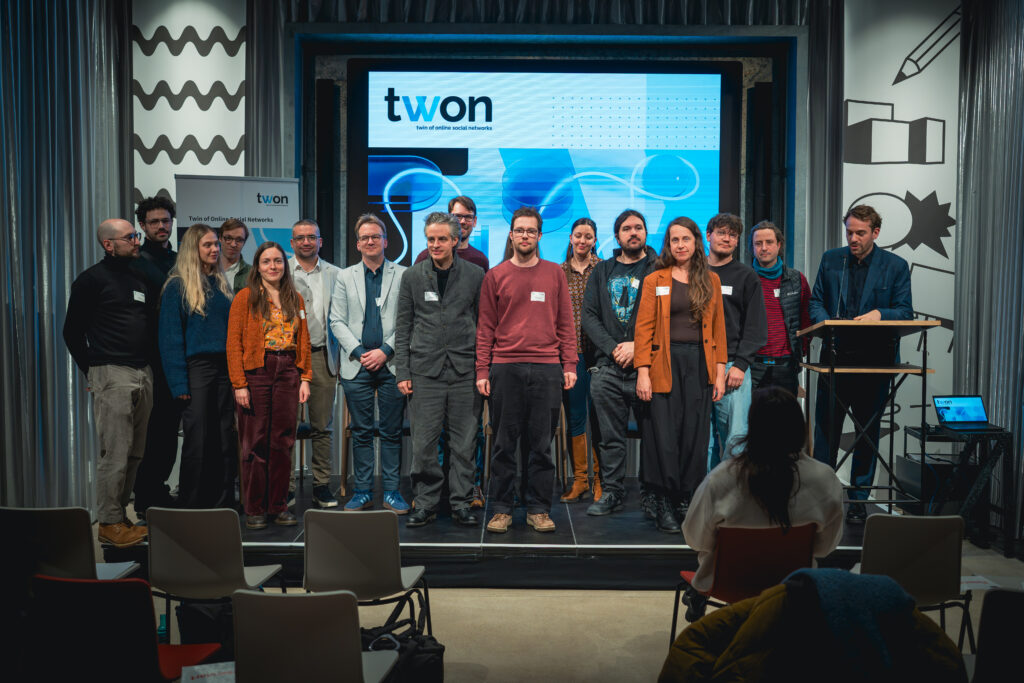
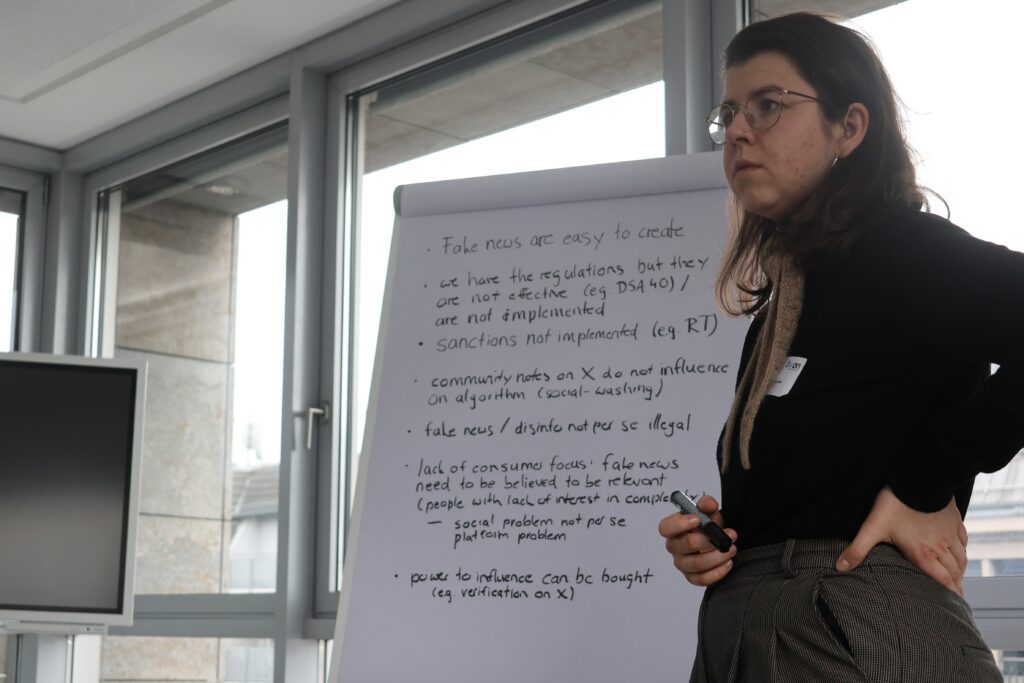
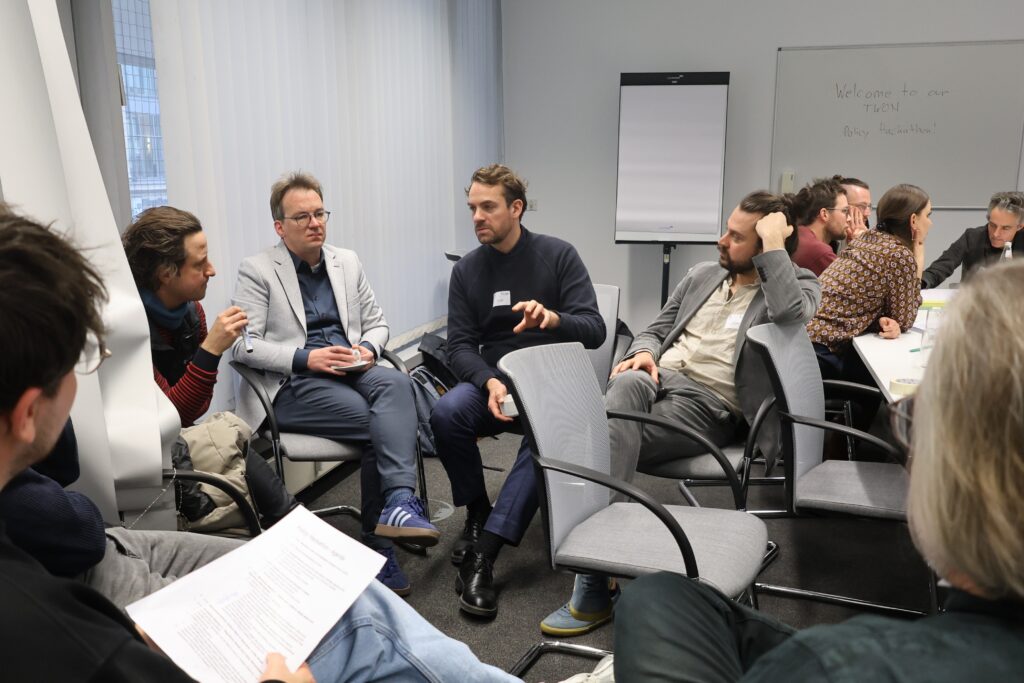
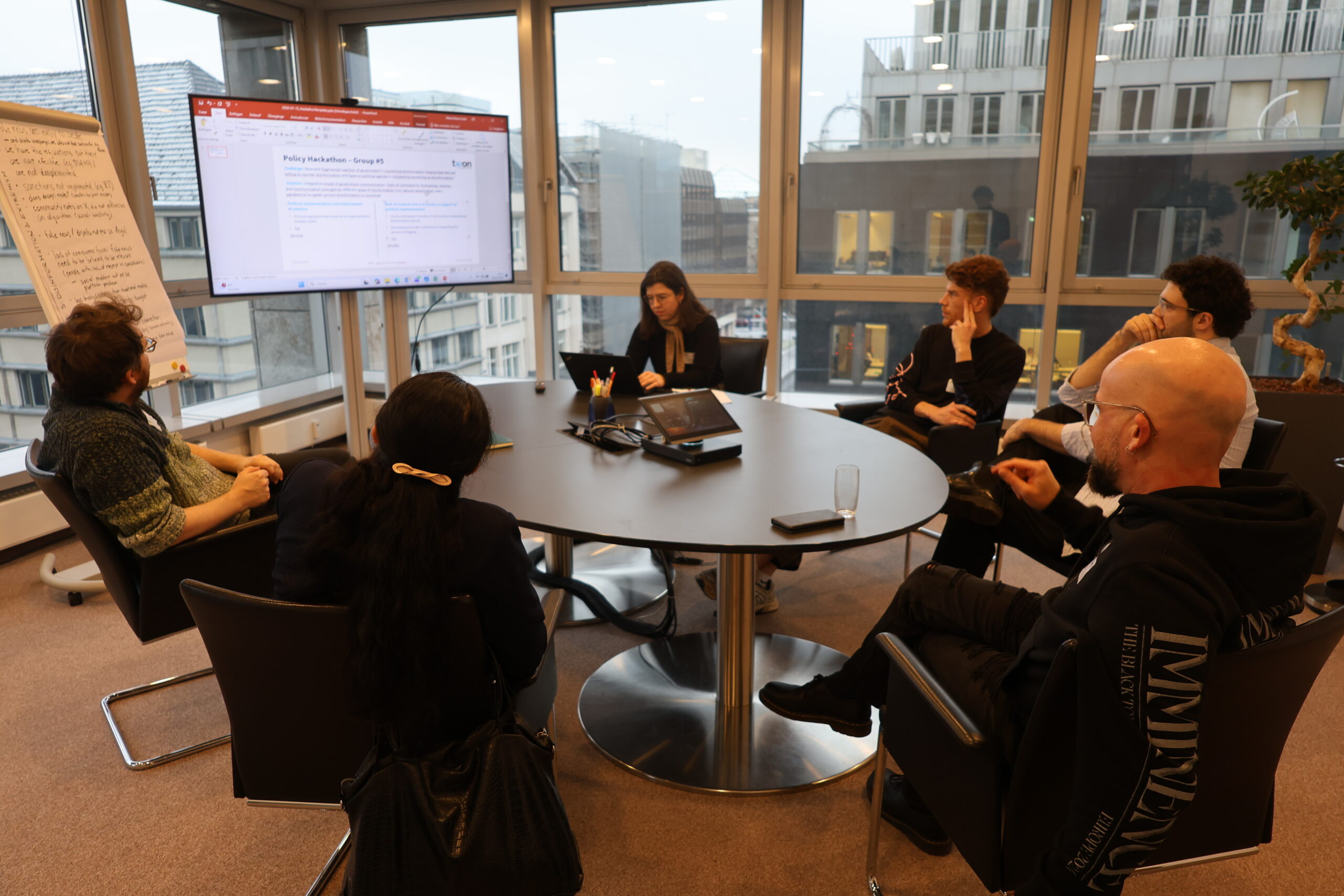
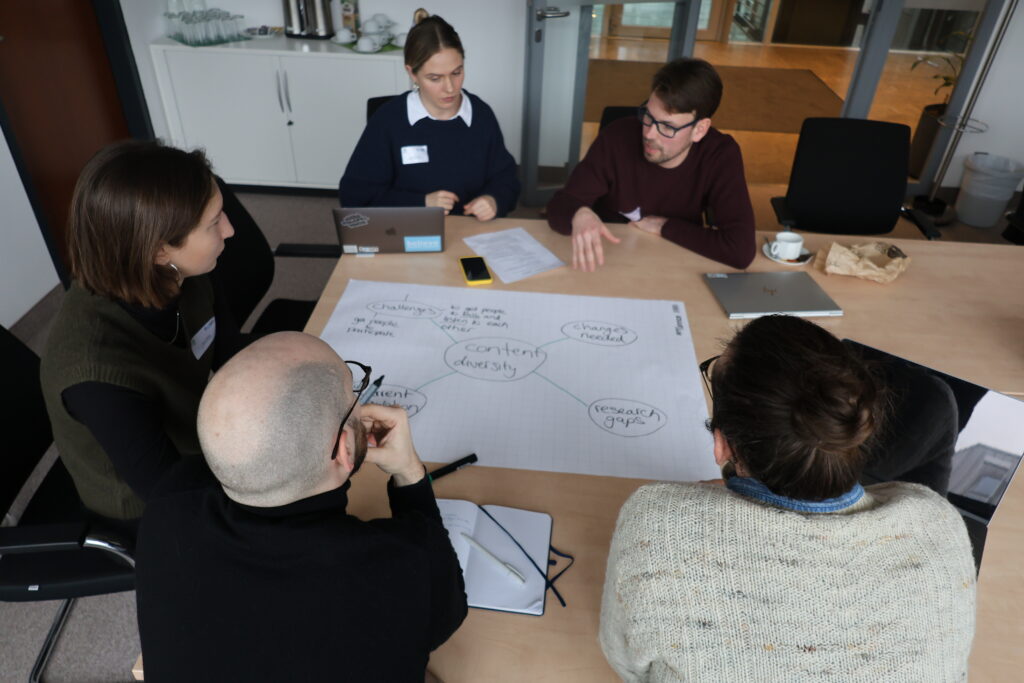
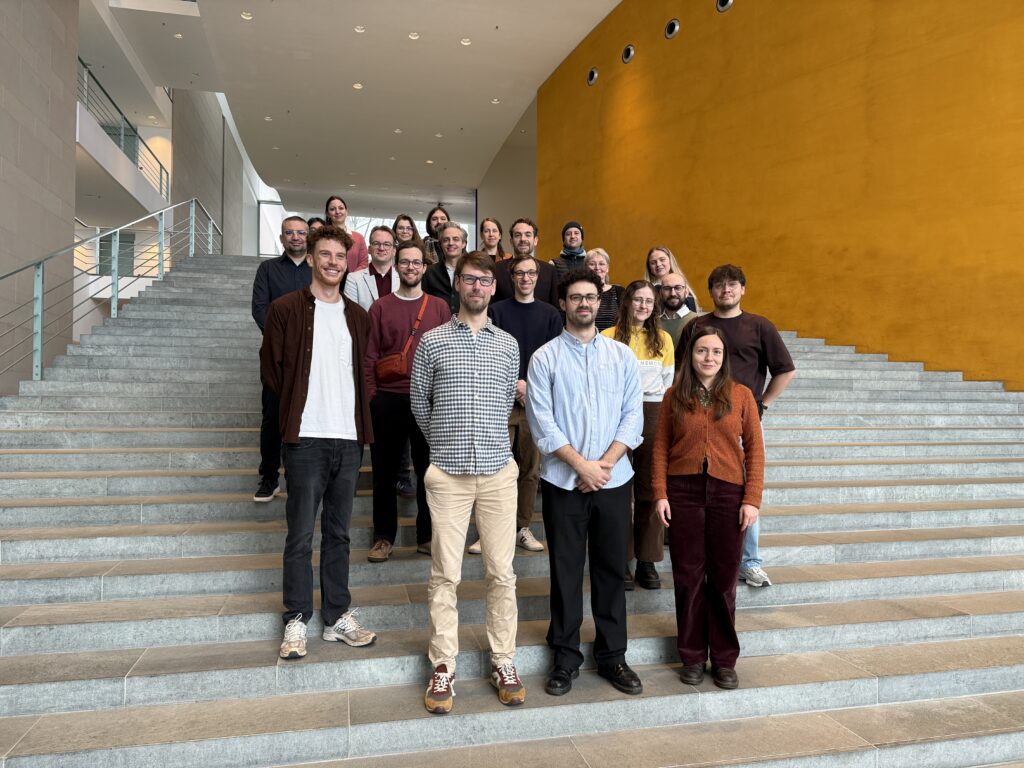
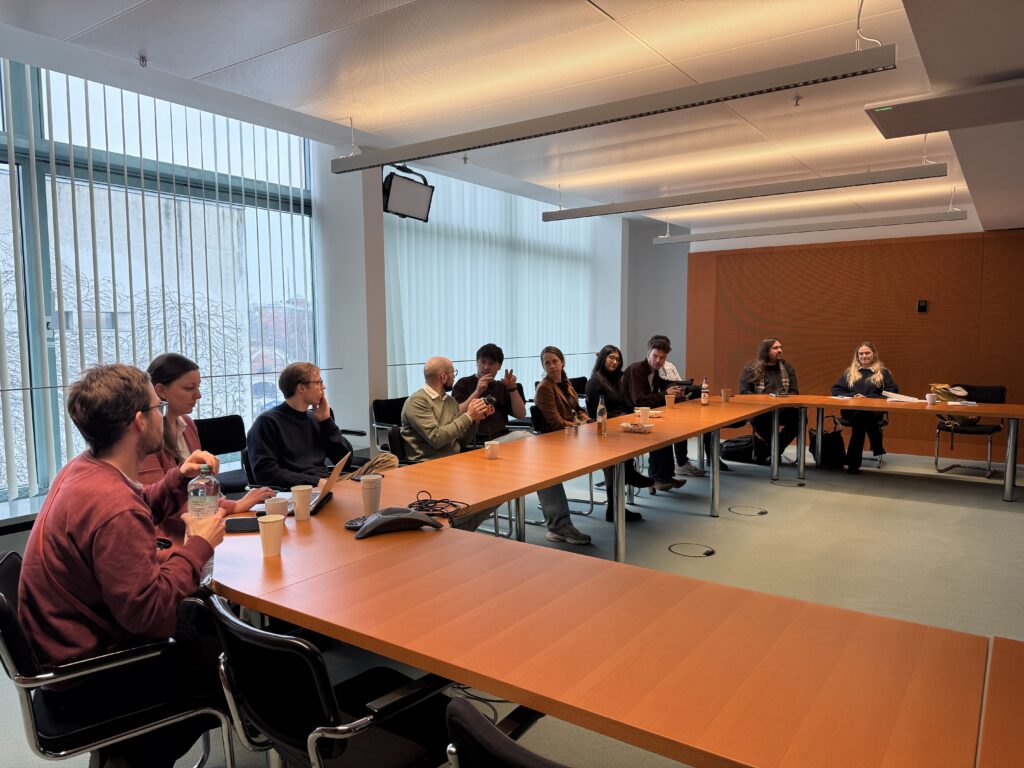
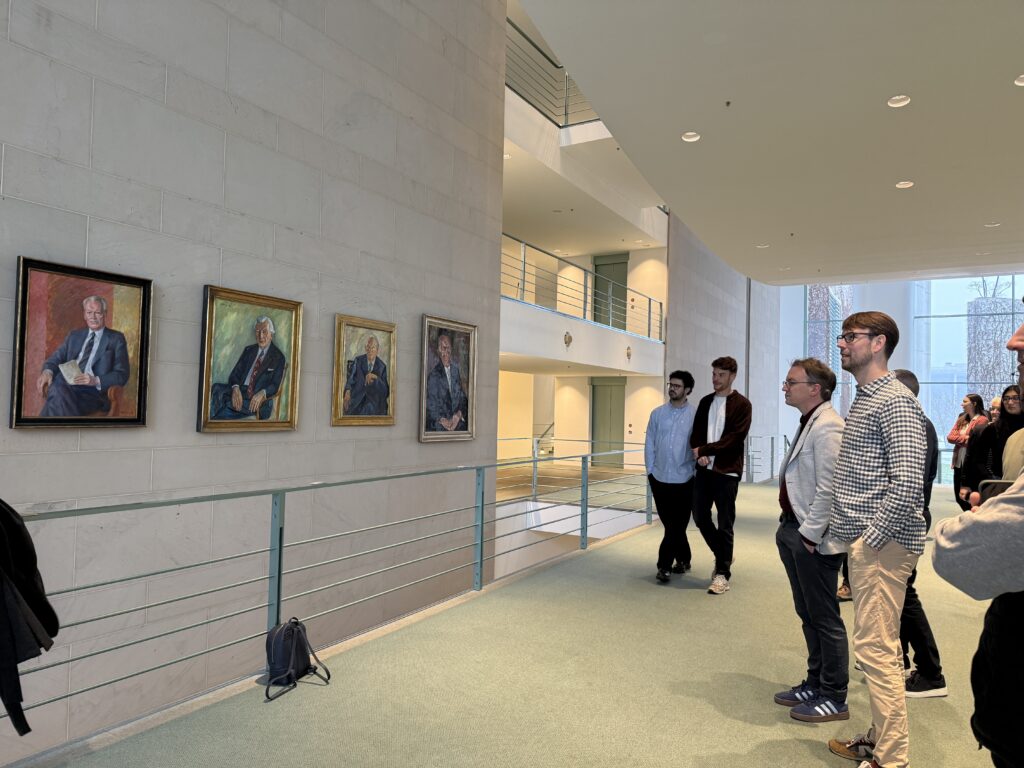
The fourth and final TWON Citizen Lab took place in Brussels from 14 to 18 March 2026. Bringing together young leaders from various communities from all over Europe came together to discuss a digital and sovereign European future. The program was a mixture of input and discussion from our TWON researchers, impulses from external researchers and civil society organizations, reflexional workshops and a public evening event – all centered around tackling hate, misinformation and polarization in the age of AI and tech-oligarchs, while also addressing questions of digital sovereignty in times of growing geopolitical tensions.
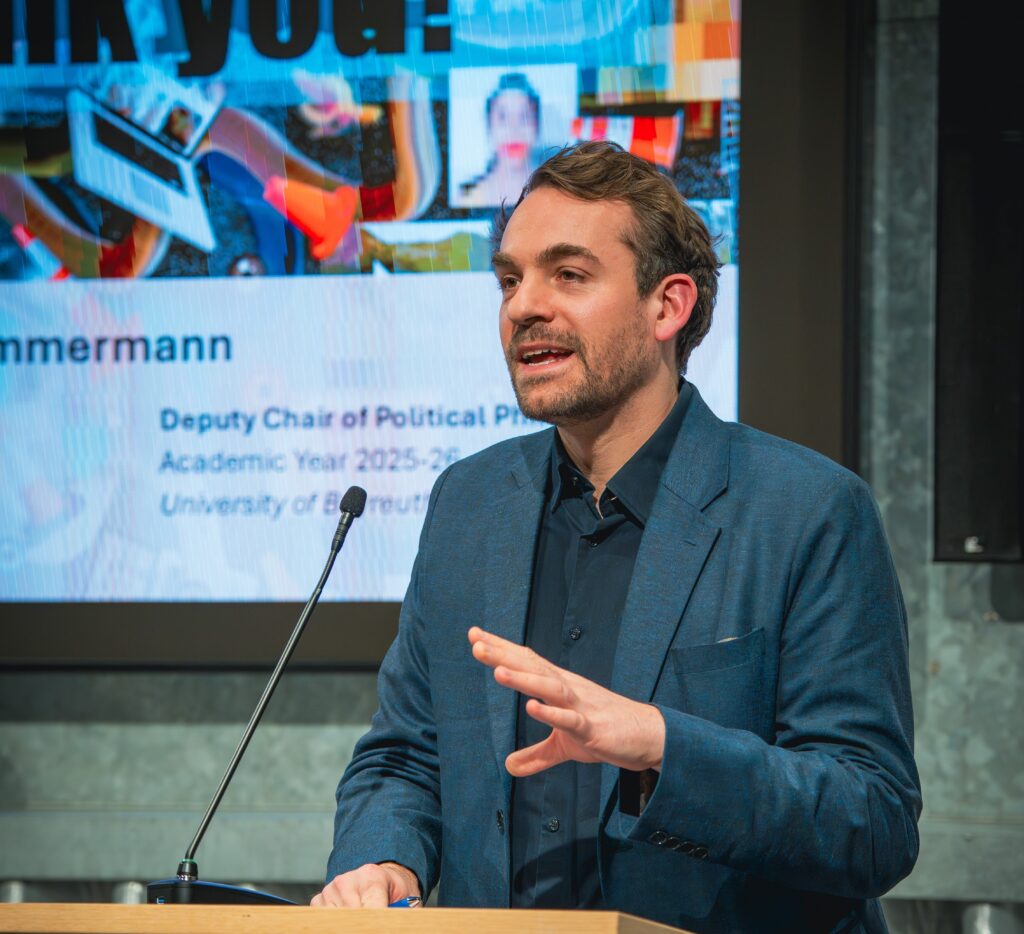
Cosima Pfannschmidt opened the Citizen Lab by introducing the group to the TWON project, its goals, and its urgency. Prof. Dr. Damian Trilling from the University of Amsterdam initiated a critical conversation on the limits of current research on social media dynamics, challenging assumptions about echo chambers, filter bubbles, and the spread of disinformation.
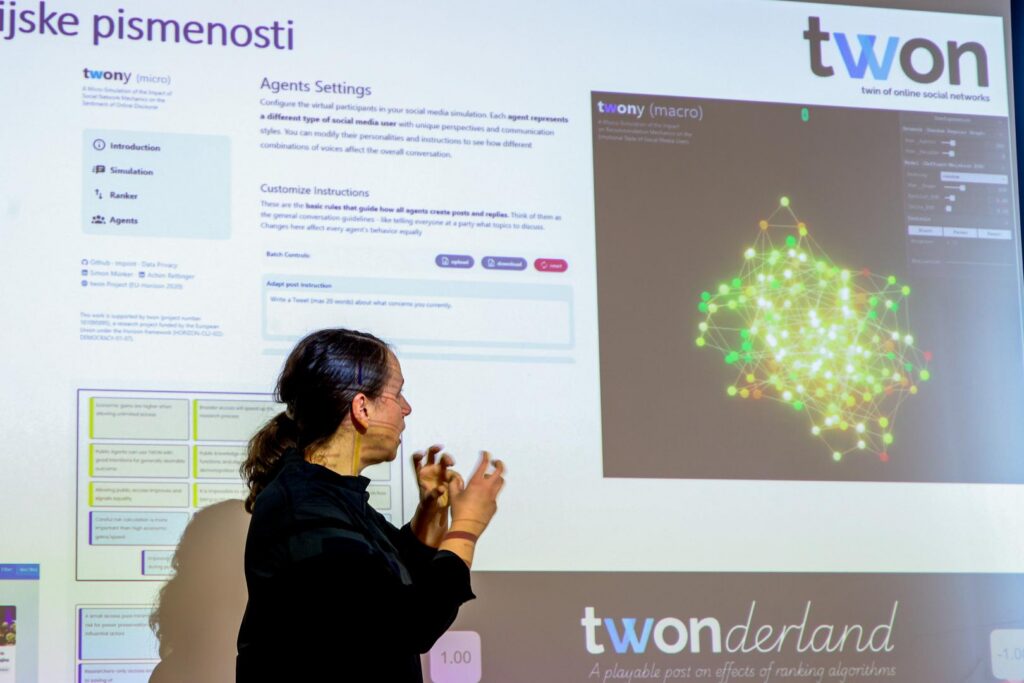
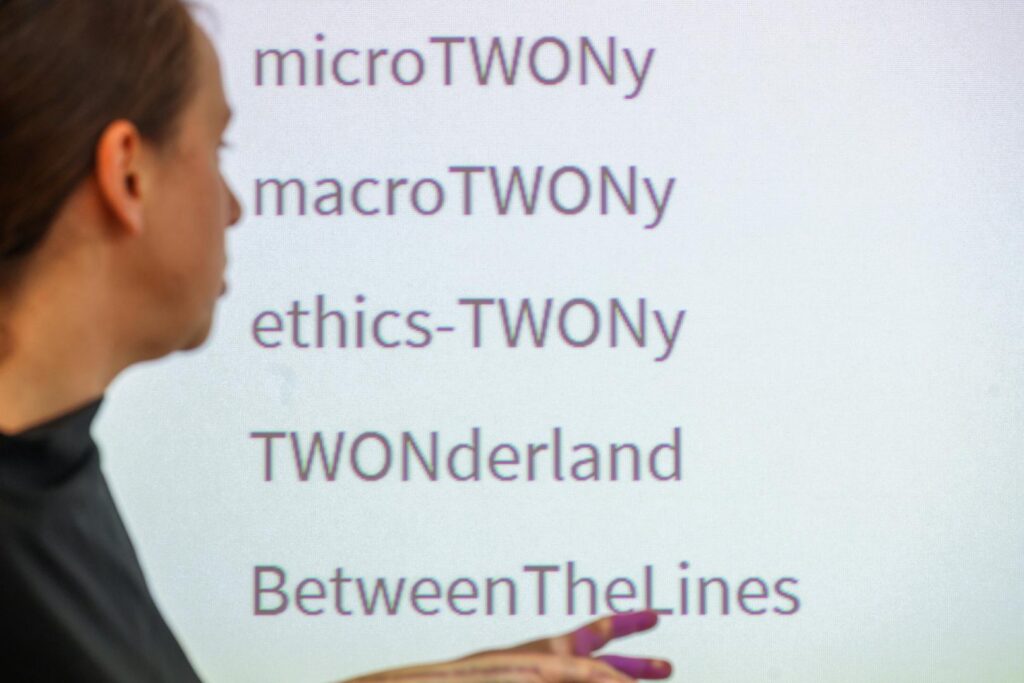
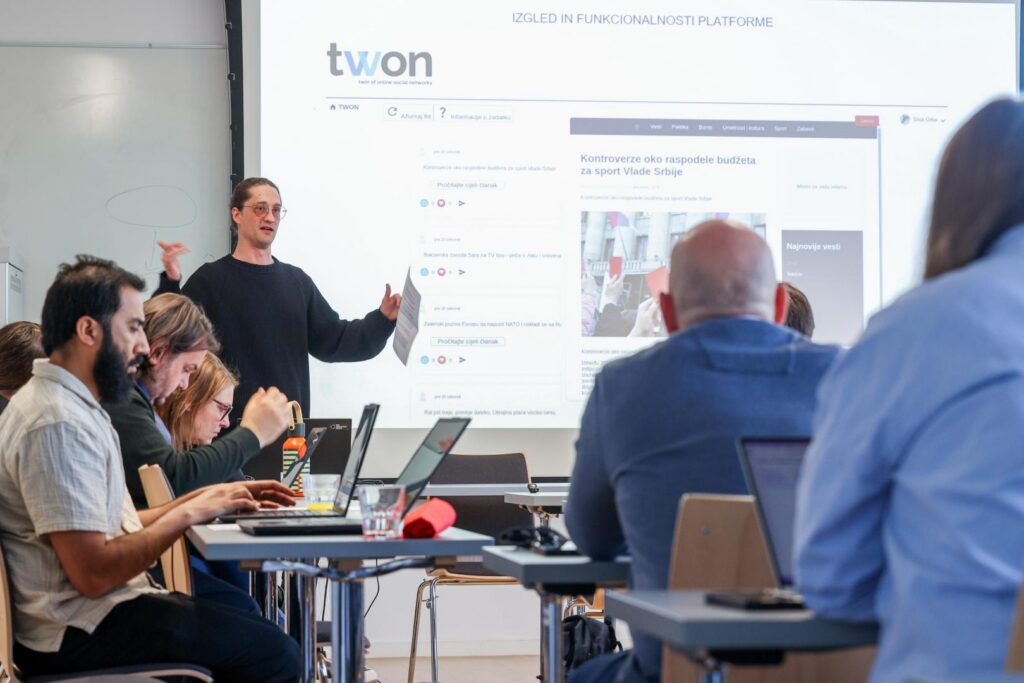
Simon Münker and Christoph Hau from Trier University, presented the TWON demonstrators, giving participants the opportunity to test out the TWONy simulations. Prof. Dr. Achim Rettinger from Trier University further addressed the complex intersection of AI agents and online discourse.
At the public evening event, the results of three years of TWON research were presented, with a deeper focus on digital sovereignty and the role of research in shaping evidence-based platform governance. In the first panel, moderated by Cosima Pfannschmidt (FZI), Prof. Achim Rettinger (Trier University), Michael Mäs (KIT), and François t’Serstevens (University of Amsterdam) presented TWON’s core ideas, key findings, and policy recommendations. In the second panel, moderated by Benjamin Fischer (CeMAS and Bellycat), Dr. Jonas Fegert (FZI), Katarina Barley (Vice President of the European Parliament) and Raegan MacDonald (Aspiration) discussed how research and policy can jointly shape Europe’s digital future and which steps can be taken to strengthen Europe’s digital sovereignty.
Beyond this the Citizen Lab included fantastic inputs from external researchers and civil society organizations:
Community Work in Conflict and Post-Conflict Settings: Experiences from Eastern Europe (Focus on Ukraine) with Igor Mitchnik (Executive Director Austausch e.V.)
How Polarisation Works: Recognising and Interpreting Political Narratives with (Atahan Demirel, Policy Advisor on Anti-Discrimination in the Berlin House of Representatives)
Invoking the Past, Legitimising the Present: The Use of Collective Memory in Digital Diplomacy with Maximiliane Linde (Researcher at FZI and Former Board Member of DialoguePerspectives e.V.)
Historicising the Present: Antisemitism and Racism in Israel-Palestine Social Media Discourses with Furkan Yüksel (Lecturer in Historical-Political Education)
Public Event “Voices Rising: Rebuilding Bridges. Dialogue, Trust and Solidarity Post-October 7th with Camila Piastro (European Union of Jewish Students) Barbara von Freytag (Journalist, Political Analyst) Furkan Yüksel (Political Educator)Prof. Dr. Achim Rettinger (Trier University, TWON) Moderation: Igor Mitchnik (Executive Director, Austausch e.V.)
Together Instead of Against Each Other: An Attempt to a Differentiated Dialogue on the Israeli-Palestinian conflict (A German Perspective) with Sophie Orentlikher (Socio-Political Educator and Clinical Social Worker, Centre for Applied Research on Education and Diversity at the Catholic College of Aachen) and Mohammed-Arfan Ashmawi (Social Educator and Clinical Social Worker, Research Assistant at the Centre for Applied Research on Education and Diversity at the Catholic College of Aachen)
Media Literacy in a Digital World with Amie Liebowitz (Journalist, Broadcast Presenter and Media Consultant World Café
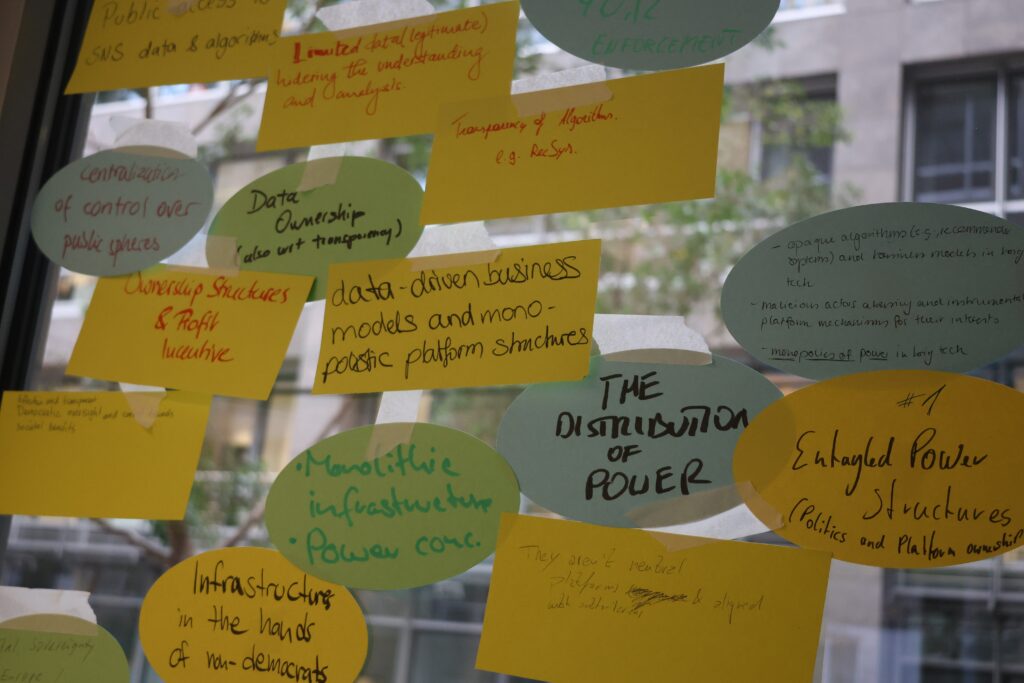
The Citizen Lab concluded with a strong call for greater EU sovereignty in the digital sphere. The policy proposals developed throughout the week emphasized the need to regulate algorithmic systems, increase transparency, and create digital environments that enable meaningful dialogue rather than polarization. The Brussels Citizen Lab 2026 reminded us that social media must be more effectively regulated and that existing legislation, such as the Digital Services Act, must be consistently implemented and reinforced. At the same time, it highlighted the importance of enabling citizens to better understand what happens behind algorithmic systems.
We are deeply grateful for the Brussels Citizen Lab 2026, hosted by the TWON partner DialoguePerspectives. It was an unforgettable gathering that brought together European leaders committed to shaping democratic digital spaces. A heartfelt thank you to DialoguePerspectives and to everyone who made this experience so meaningful. It was an honor to be part of a space where listening, questioning, and reimagining Europe is not only possible but already happening.
A truly meaningful final Citizen Lab and a worthy farewell.
TWON Citizen Lab #4 in Brussels: On Overcoming Polarization Read More »

New Publication: Simulating Algorithmic Personalization and Polarization
We are pleased to announce a new peer-reviewed publication by Ljubiša Bojić, co-authored with Velibor Ilić, Veljko Prodanović, and Vuk Vuković, published in Chinese Political Science Review.
The paper introduces the Recommender Systems LLMs Playground (RecSysLLMsP), an agent-based simulation framework designed to study how recommender systems and large language models jointly shape engagement, emotional dynamics, and polarization in social media environments.
The study models a synthetic social media ecosystem with 100 agents grounded in real psychometric and demographic data. Agents interact through feeds with progressively increasing levels of personalization, while content is generated and adapted using large language models. This setup enables controlled observation of how algorithmic personalization affects collective behavior.
Key findings show that moderate personalization maximizes engagement, while full personalization significantly reduces content diversity and amplifies both structural and affective polarization. Network modularity increases sharply as personalization deepens, indicating the emergence of echo-chamber dynamics. At the same time, the simulation demonstrates that LLM-based agents can reproduce realistic patterns of emotional contagion and ideological clustering.
RecSysLLMsP provides a transparent and reproducible “digital laboratory” for testing recommender system designs and policy interventions before they are deployed at scale. The framework has direct relevance for research in computational social science, responsible AI, platform governance, and democratic communication.
Publication details:
An Agent-Based Simulation of Politicized Topics Using Large Language Models: Algorithmic Personalization and Polarization on Social Media
Chinese Political Science Review
DOI: 10.1007/s41111-025-00326-x
New Publication: Simulating Algorithmic Personalization and Polarization Read More »